What is the meaning of insulation?
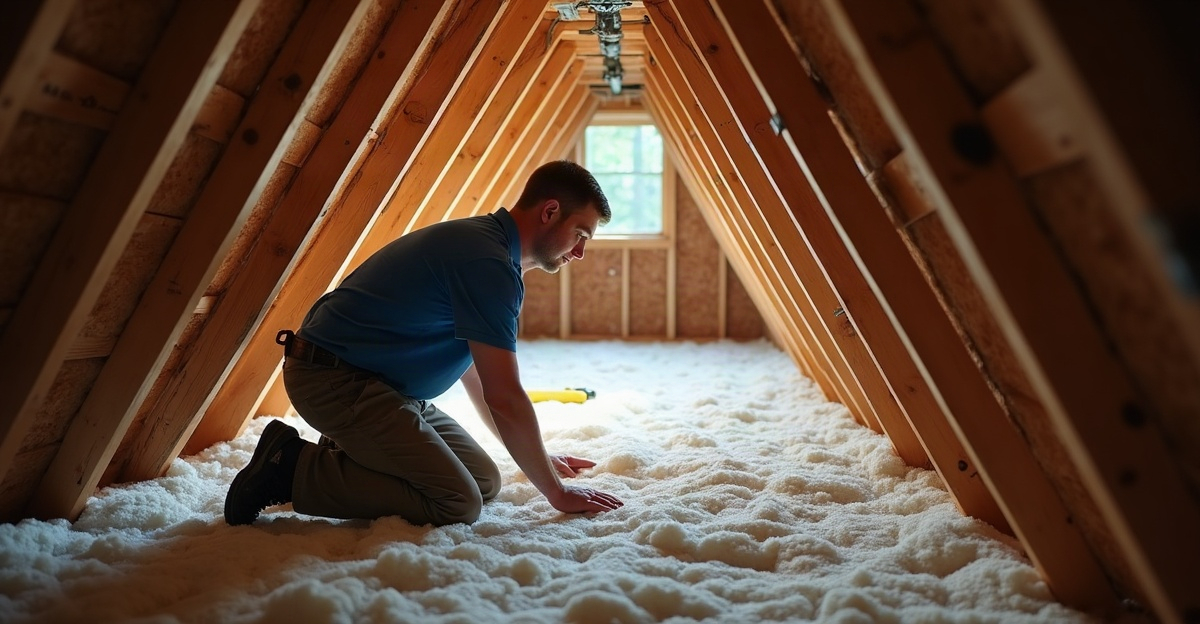
We use insulation in attics, walls, floors, and crawl spaces to slow heat transfer. It helps central Mississippi homes stay comfortable through hot summers and cooler weather.
We achieve the best results through a complete home-performance plan. This plan addresses air sealing, ventilation, moisture control, ductwork, and HVAC system condition.
Key Takeaways
- Insulation slows summer heat gain and cooler-weather heat loss. It doesn’t produce heating or cooling.
- We commonly install insulation in attics, exterior walls, floors above crawl spaces or garages, rim joists, and rooflines.
- R-value measures resistance to heat flow. Coverage, material choice, and installation quality also shape actual performance.
- Air leaks, duct defects, roof leaks, moisture, pests, and ventilation issues can create symptoms that resemble poor insulation.
- We recommend evaluating wet, moldy, pest-contaminated, damaged, or unidentified older insulation before adding new material.
What Is the Meaning of Insulation?
Insulation is material installed in parts of a home—most often the attic, walls, floors, and crawl spaces—to slow the movement of heat. It works like a thermal blanket, reducing the rate at which heat moves through the attic, walls, and floors.
So, what is the meaning of insulation for a home in practical terms? It helps keep conditioned indoor air closer to the temperature we want for longer. Insulation does not create heat or cool a home. Instead, it slows unwanted heat gain during summer and heat loss during cooler weather.
That matters in Florence and throughout central Mississippi. During hot, humid summers, a hot attic can transfer heat into air-conditioned living areas below. Upstairs bedrooms and rooms directly beneath the attic often feel the effects first. During cooler periods, indoor heat can escape through underinsulated attics, walls, floors, and other gaps in the home’s thermal boundary.
Effective insulation can help us maintain steadier room-to-room temperatures, improve comfort in upstairs spaces, and reduce the demand placed on HVAC equipment. It may also reduce energy waste, although results vary based on the home’s condition, equipment, air leaks, ductwork, and daily use.
A properly managed attic can also support moisture control and indoor air quality. Still, insulation is not a universal answer for high utility bills, drafts, or uneven temperatures. Air leaks, duct leaks, HVAC sizing or maintenance problems, roof leaks, poor attic ventilation, window and door leaks, and broader moisture concerns can cause similar symptoms.
How Insulation Works Alongside Air Sealing and Ventilation
Heat naturally moves toward cooler areas. In summer, heat from a hot attic can move down into cooler living spaces. In cooler weather, warmth inside the home can move outward through underinsulated surfaces. Insulation slows this heat transfer, helping the home hold a more stable indoor temperature.
Several systems work together to control comfort and efficiency:
- Insulation slows heat flow through building materials.
- Air sealing closes gaps and cracks that allow uncontrolled outdoor air to enter and conditioned air to escape.
- Attic ventilation helps manage heat and moisture when the system is properly designed.
- A radiant barrier reflects radiant heat, but it does not replace adequate insulation.
- A vapor retarder or barrier manages moisture movement, and its placement depends on the home’s assembly and local conditions.
Central Mississippi’s heat and humidity make this combined approach especially important. Adding insulation without addressing major air leaks, moisture entry, damaged ductwork, or ventilation concerns may limit the improvement we see.
Persistent hot rooms, high cooling demand, drafts, or attic moisture concerns deserve a diagnosis before work begins. A professional attic assessment can identify the actual cause and help us recommend the right solution instead of guessing.
Where Insulation Is Installed in a House
Insulation may be installed in several areas, depending on the home’s design and where its conditioned space begins and ends. The attic is often a major concern because it sits directly between intense summer heat and the living space below.
Common insulation locations include attic floors, attic rooflines, exterior walls, floors above unconditioned crawl spaces or garages, rim joists, and transition areas where framing changes. Ductwork located in unconditioned attics may also need attention because conditioned air can gain or lose heat before it reaches a room.
An attic floor is commonly insulated when the attic remains outside the conditioned area. In other designs, insulation may be installed along the roofline to bring the attic inside the home’s conditioned envelope. Neither method is automatically right for every house.
The best location depends on available access, existing insulation, attic ventilation, moisture conditions, roof design, duct placement, and the home’s overall thermal boundary. We do not recommend assuming that every Florence-area home needs the same material or insulation strategy.
R-Value and the Types of Home Insulation
R-value measures resistance to heat flow. A higher R-value generally means the material provides greater resistance, but the highest possible number is not always the right answer for a specific project.
The appropriate insulation level depends on the area being insulated, central Mississippi’s climate, available space, installation quality, and the home’s current condition. Gaps, compression, settling, moisture damage, and poor coverage can reduce real-world performance even if the product has a high stated R-value.
Fiberglass batts are pre-cut rolls or panels often used in walls, floors, and accessible attic areas. They need a close fit around framing and obstacles. Compression, gaps, and poor placement can reduce their effectiveness. For wall projects, our batt insulation services can help address accessible wall cavities and related needs.
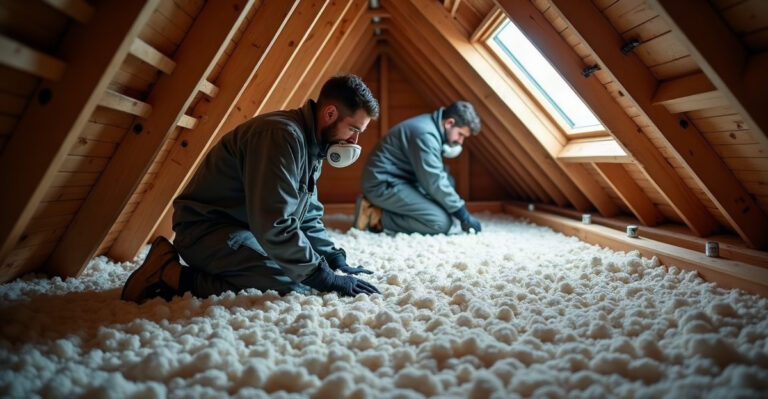
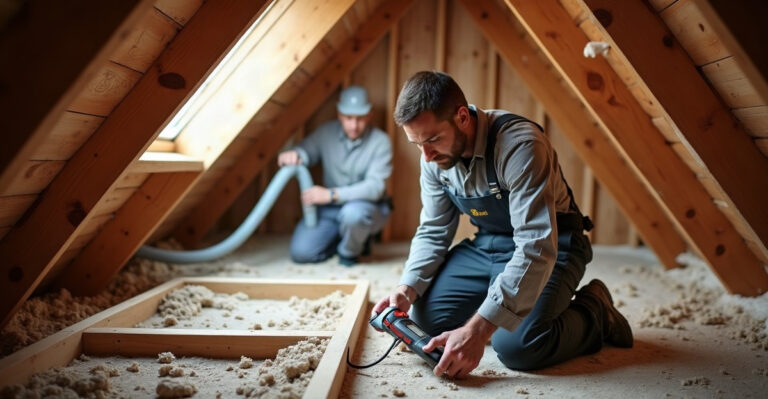
Blown-in fiberglass is loose material installed across attic floors. It can create even coverage around joists, wiring, and other obstructions. Cellulose is recycled-paper-based loose-fill insulation that may work well in attics and walls, depending on the project and moisture conditions. Spray foam expands into gaps and can provide insulation and air sealing in certain applications, though it requires proper design, professional installation, and careful consideration of moisture and attic ventilation.
No single product is best for every home. Material selection should reflect the location, existing conditions, budget, desired performance, and air-sealing or moisture-control needs. Project costs and results also vary with attic size, access, insulation type, removal needs, contamination, repairs, air sealing, labor, and overall complexity.
Signs Your Insulation or Attic May Need Attention
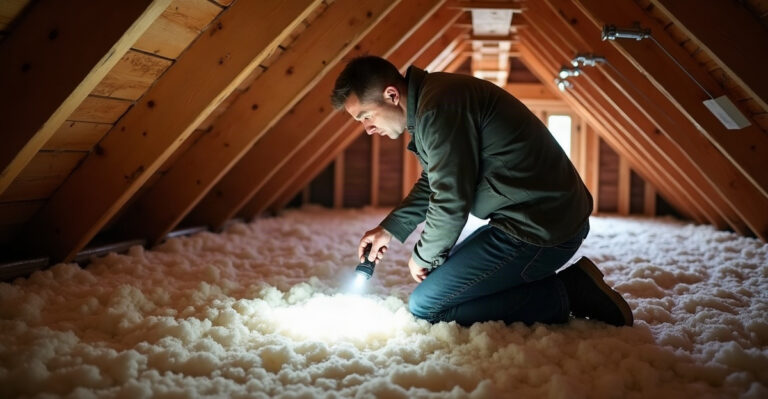
Insulation can lose effectiveness as it settles, shifts, gets wet, becomes contaminated, or deteriorates over time. A full evaluation helps separate insulation concerns from HVAC, duct, roof, ventilation, and air-leak issues.
Common Warning Signs
These conditions can indicate that an attic or insulation system needs professional attention:
- High or unexpectedly rising heating and cooling bills
- Rooms that stay much hotter or colder than the rest of the house
- Hot upstairs rooms during summer
- Drafts near ceilings, attic hatches, exterior walls, or floors
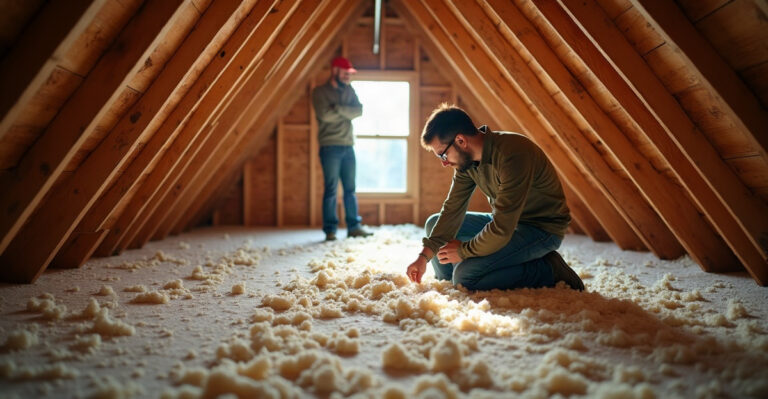
- Uneven, thin, compressed, or visibly deteriorated attic insulation
- Insulation that has shifted or settled over time
- Wet, stained, moldy, or musty-smelling insulation
- Pest droppings, nesting material, or damaged insulation
- Smoke damage, roof leaks, or previous water intrusion
Compressed, gapped, damp, contaminated, or deteriorated insulation may not perform as intended. Yet persistent discomfort or high energy use can also point to other problems, so we recommend looking at the full attic and home performance picture.
In simple words, insulation is the material that slows heat movement through a house. It helps reduce heat gain and heat loss, but it is not the same as air sealing. Air sealing stops uncontrolled air movement through openings, while insulation resists heat flow through surfaces.
New insulation may help lower energy waste and reduce HVAC workload, but it cannot guarantee lower bills in every home. Utility costs also depend on weather, thermostat settings, equipment condition, duct performance, air leakage, household use, and electricity rates.
For additional homeowner answers, our insulation FAQs cover common concerns about attic conditions, materials, and service planning.
When to Schedule a Professional Attic Assessment
We recommend professional evaluation when attic insulation is wet, moldy, pest-contaminated, smoke-damaged, or made from an unknown older material. Homeowners should not disturb or reuse these materials without qualified guidance. Moisture, contamination, electrical hazards, roof leaks, and hidden damage can create safety concerns and affect the scope of needed work.
A professional attic assessment can review insulation depth and condition, air leaks, attic moisture, ventilation concerns, pest damage, duct issues, and other factors that contribute to discomfort or energy waste. This process helps us determine whether the home needs insulation replacement, air sealing, repair work, moisture correction, or a combination of improvements.
Wet or pest-contaminated insulation should be evaluated by a qualified professional rather than handled or reused by an untrained homeowner. Before adding new material, we need to identify and correct the source of any roof leak, moisture intrusion, pest activity, or odor issue.
If your Florence-area home has uneven temperatures, high cooling costs, visible attic damage, moisture concerns, or pest-contaminated insulation, Green Leaf Insulation can provide a professional attic assessment and recommendations based on your home’s condition.