Is Insulation Flammable? Comparing Common Insulation Types
We know insulation fire performance varies by material. Fiberglass and mineral wool generally resist combustion. Cellulose can burn in certain conditions. Foam products can melt, burn, and produce smoke. Safe attic insulation also requires proper installation, required protective barriers, and safe clearances around wiring, fixtures, chimneys, vents, and other heat sources.
Key Takeaways
- We consider fiberglass and mineral wool generally noncombustible, though facings and nearby building materials can still burn.
- We use treated cellulose to resist ignition and slow flame spread, but cellulose is not fireproof.
- We recognize that spray foam and rigid foam can ignite, melt, burn, and release smoke. Required thermal or ignition barriers remain essential.
- We find that most attic fire risks stem from electrical faults, overheating fixtures, unprotected penetrations, or insulation placed too close to heat-producing components.
- We recommend prompt evaluation by a qualified professional if burning odors, scorch marks, smoke, exposed wiring, or sparking appear. Call 911 if an immediate fire or safety threat exists.
The Short Answer: Insulation Can Resist Fire, Burn, or Melt Depending on the Material
Is insulation flammable? The answer depends on the insulation material, the product’s formulation, how it was installed, and what heat or ignition sources are nearby. Some insulation is generally noncombustible, while other materials can melt, burn, or release smoke when exposed to sufficient heat or flame.
Fire performance is not a simple yes-or-no label. A safe installation depends on the insulation itself, proper separation from heat-producing components, correct electrical work, and required protective coverings. Insulation usually is not the root cause of a house fire. Damaged wiring, overloaded circuits, overheating fixtures, unprotected heat-source penetrations, and installation mistakes are often greater concerns.
It also helps to understand a few common fire-safety terms. Noncombustible materials do not readily ignite and burn under normal fire-test conditions. Fire-resistant materials help resist ignition or slow fire spread, but they may still burn under certain conditions. Flame-retardant products contain treatments or formulations that reduce the chance of ignition or slow flame spread; this does not make them fireproof. We avoid describing residential insulation as “fireproof” because that can overpromise performance.
Thermal barriers and ignition barriers are protective building components or approved coverings used with certain foam insulation products. They delay heat exposure and improve fire safety. Requirements vary by product and application, so we always recommend following manufacturer instructions and locally verified code guidance. For a broader explanation of how insulation works in a home, see the meaning of insulation.
How Common Insulation Types Compare in a Fire
| Insulation Type | Typical Fire Behavior | Key Caveats | Homeowner Takeaway |
|---|---|---|---|
| Fiberglass | Generally noncombustible. | Paper or foil facings, binders, dust, nearby framing, stored items, and surrounding materials may burn. | Fiberglass itself is generally noncombustible, but surrounding combustible materials still need attention. |
| Cellulose | Commonly treated to resist ignition and slow flame spread. | Made largely from recycled paper, it can still burn under certain fire conditions. | Properly installed cellulose offers good performance, but it is not immune to fire. |
| Mineral wool / rock wool | Generally noncombustible and highly heat-resistant. | Facings, nearby components, and installation conditions still matter. | A strong choice where heat resistance is a priority. |
| Spray foam | Can ignite, burn, and produce hazardous smoke. | Fire behavior varies by formulation, conditions, and protective barriers. | Required thermal or ignition barriers and proper installation are essential. |
| Rigid foam | Can melt, burn, and generate smoke when exposed to heat or flame. | Protection and assembly design depend on product location and instructions. | Foam can perform safely when installed with the required covering and details. |
Is fiberglass insulation flammable? Fiberglass itself is generally noncombustible, but facing materials and nearby combustible materials can burn. Kraft paper facing, for example, needs to remain properly positioned and away from heat sources.
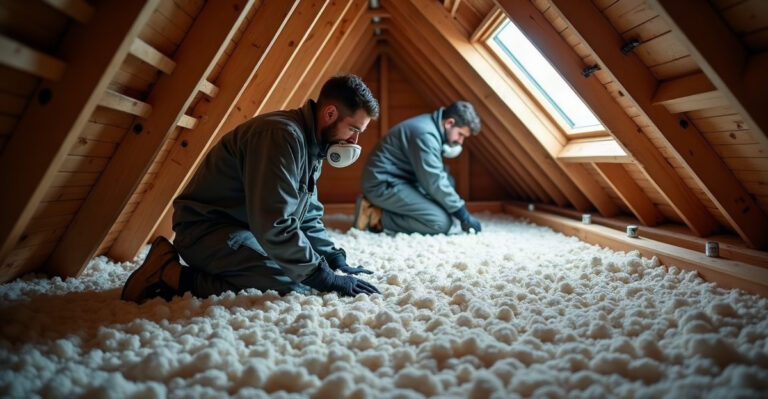
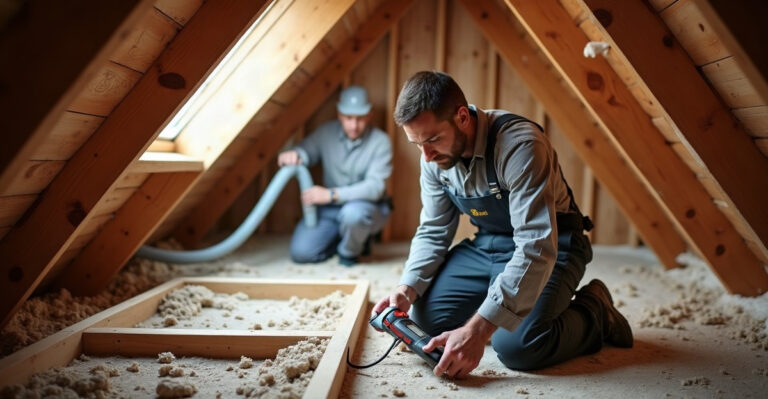
Cellulose insulation is largely recycled paper treated with fire-retardant chemicals. This treatment helps it resist ignition better than untreated paper, but cellulose can still burn under certain fire conditions. Professional blown-in attic insulation installation helps maintain consistent coverage while keeping insulation clear of components that need space.
Mineral wool, also called rock wool, is generally noncombustible and highly heat-resistant. Even so, nearby framing, facings, penetrations, and other building materials can affect the safety of the full assembly.
Is spray foam insulation flammable? It can ignite and burn under certain fire conditions and may produce hazardous smoke, so required protective barriers and proper installation matter. Is foam insulation flammable? Foam insulation can melt, burn, or produce smoke when exposed to sufficient heat or flame; its fire safety depends on the specific product and required protective covering. That does not mean all foam products are inherently unsafe. It means foam must be installed as part of an approved assembly that meets product and code requirements.
What Makes Attic Insulation a Fire Concern?
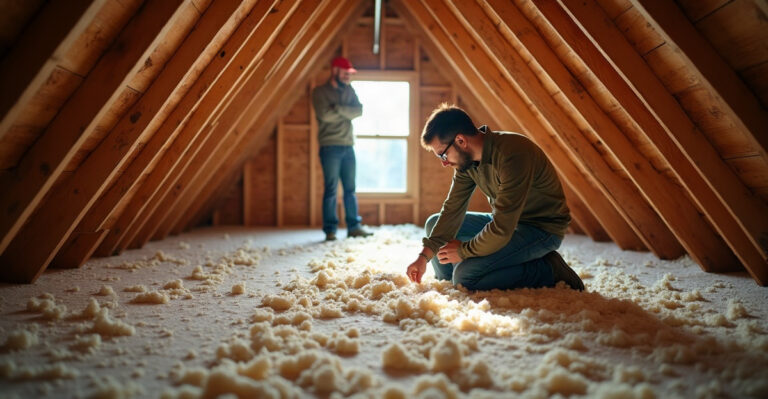
Is attic insulation flammable? It depends on the material. However, attic fire risk more often involves heat sources, electrical problems, combustible debris, or insulation installed too close to components that require specific clearances.
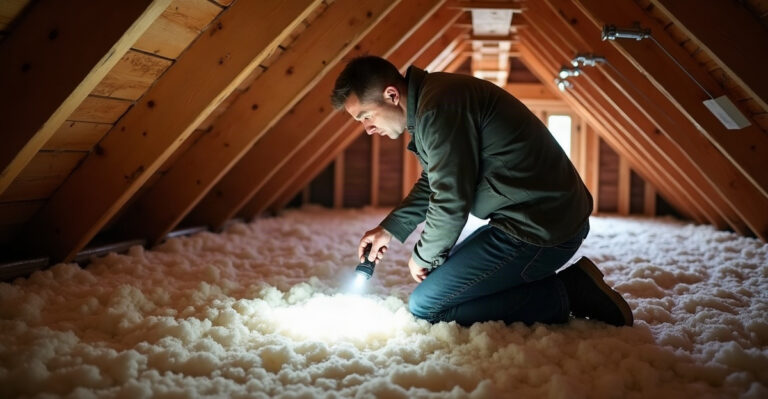
During an attic assessment, we look closely at damaged, overloaded, or improperly installed wiring; overheating light fixtures and electrical components; recessed lights that are not rated for insulation contact; and chimney, flue, vent, or appliance penetrations without proper protection. Missing or poorly installed firestopping can also allow heat, smoke, or flame to move through openings in the structure.
Combustible storage, construction debris, and household items near heat sources add risk. Foam insulation installed without a required protective barrier also needs prompt evaluation. Code-required thermal barriers and ignition barriers for foam depend on the product, location, and application. We recommend relying on manufacturer instructions and locally verified building-code guidance.
Clearance requirements vary by fixture, appliance, venting system, insulation product, and applicable local code. Follow the manufacturer’s instructions and consult a qualified professional when conditions are unclear.
When Older Insulation Should Be Evaluated, Removed, or Replaced
Is house insulation flammable? Is home insulation flammable? Some materials are noncombustible, while others can burn or melt. Material type, product design, installation quality, nearby ignition sources, and protective measures determine fire performance.
Age alone does not automatically make insulation dangerous. Still, professional evaluation or replacement may be worthwhile when insulation is wet, water-damaged, mold-affected, smoke-damaged, heavily soiled, pest-contaminated, compressed, deteriorated, or no longer performing effectively. We also recommend inspection when insulation sits too close to components requiring clearance or when exposed foam may need a protective barrier.
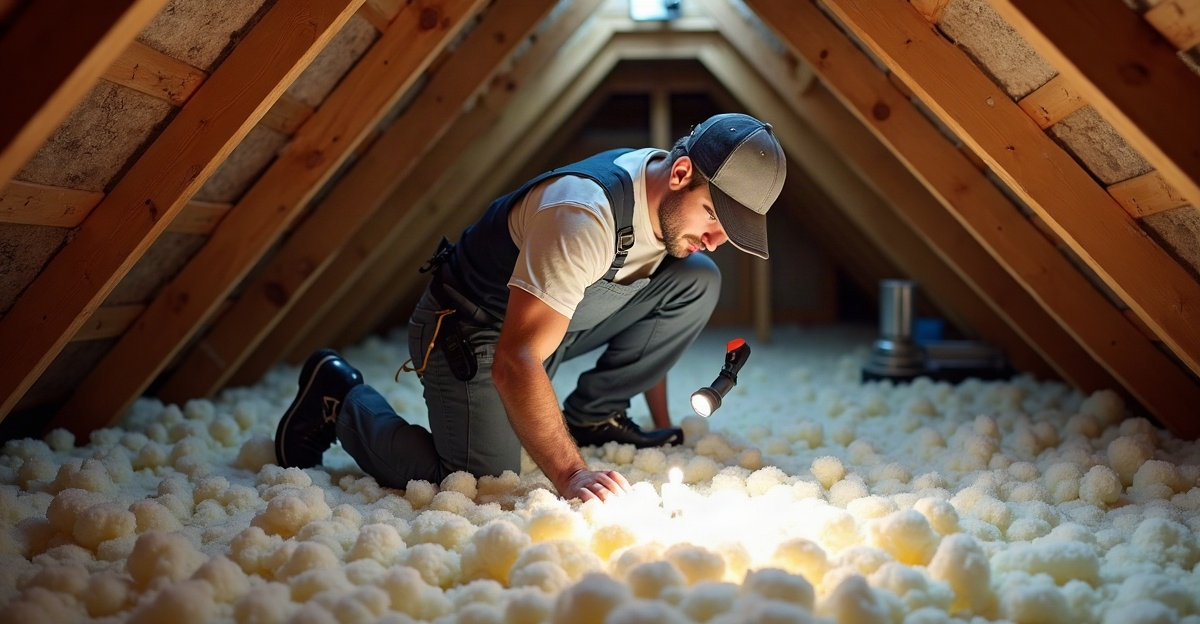
During attic evaluations, insulation professionals may find gaps, compressed material, pest contamination, or insulation installed too close to components that require specific clearances. A professional assessment can determine whether insulation can remain in place, needs selective removal around a problem area, or should be replaced because of contamination, damage, poor installation, or energy-efficiency concerns.
Insulation replacement does not fix an electrical, chimney, HVAC, appliance, or other heat-source hazard. The qualified trade for that system must correct the source of the problem first. Where removal is appropriate, our insulation removal service can help prepare the attic for safe, effective replacement.
Warning Signs That Require a Professional or Emergency Response
We recommend stopping work and contacting the appropriate qualified professional if there is a burning odor, smoke, scorch marks on insulation or framing, frayed or exposed wiring, hot or flickering fixtures, or insulation touching an unverified recessed light, flue, chimney, or heat-producing appliance component.
Deteriorated or exposed foam that may require a protective barrier also needs review. Water-damaged, pest-contaminated, heavily soiled, or compressed insulation may warrant replacement, particularly if it affects attic safety or energy performance.
A licensed electrician should evaluate wiring and fixture concerns. An HVAC professional should inspect heating and venting equipment. A chimney professional should assess chimneys, flues, and related penetrations. A qualified insulation contractor can inspect insulation condition, coverage, and installation details. We should never investigate an active electrical or fire hazard ourselves.
If there is smoke, visible fire, sparking, or an immediate threat to life or property, leave the area if safe to do so and call 911.
If you are concerned about insulation condition, attic heat sources, or whether old insulation should be removed or replaced, Green Leaf Insulation can evaluate your attic and recommend practical next steps for your Florence-area home. Request a free estimate or attic assessment.
Common Homeowner Questions About Insulation and Fire Safety
Quick Answers
Can fiberglass insulation catch fire? Fiberglass is generally noncombustible, but paper or foil facings, binders, dust, and nearby building materials can burn.
Is cellulose insulation safe in an attic? Cellulose is commonly treated with fire-retardant chemicals and can resist ignition better than untreated paper, but it can still burn under certain fire conditions.
Does spray foam insulation need a thermal barrier? Many spray foam applications require a thermal barrier or ignition barrier, depending on the product and application. We recommend following product instructions and locally verified requirements.
Can rigid foam insulation melt? Yes. Rigid foam can melt, burn, and generate smoke when exposed to heat or flame.
Should insulation touch recessed lights or chimney components? We should never assume it is safe. Clearance requirements vary by fixture, appliance, venting system, insulation product, and applicable local code.
What should we do if insulation smells burnt or has scorch marks? Stop work, avoid investigating active electrical or fire hazards, and contact a qualified professional. Call 911 if there is smoke, visible fire, sparking, or an immediate threat to life or property.
For publication and project planning, we recommend verifying relevant manufacturer installation instructions, product safety information, locally confirmed building-code resources, fire-safety education materials, energy-efficiency guidance, and local permitting requirements before making product-specific decisions.