Is Spray Foam Insulation Safe? Health Risks and Precautions
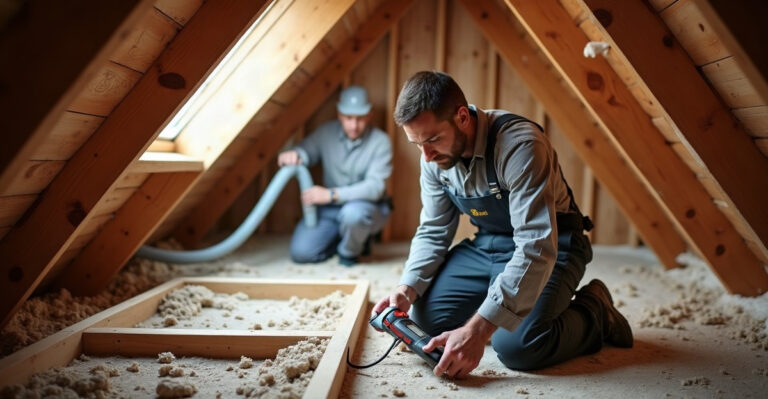
Spray foam insulation can be safe when trained professionals install the correct product in suitable conditions. We must provide ventilation and follow the manufacturer’s curing and re-entry instructions. Health risks peak during application and curing. Persistent odors, visible defects, moisture issues, or occupant discomfort after curing require a professional inspection.
Key Takeaways
- We should avoid the installation area during spray foam application and curing. We must follow the installer’s documented re-entry guidance for people and pets.
- Proper mixing, correct application thickness, suitable temperature and moisture levels, and ventilation support safe, effective results.
- Manufacturers formulate fully cured spray foam for safe, long-term use. Correct installation and compliance with product instructions remain essential.
- Persistent chemical odors, crumbly or shrinking foam, gaps, moisture problems, or ongoing discomfort require an assessment from a qualified insulation professional.
- Spray foam won’t solve roof leaks, mold, humidity, ventilation, HVAC, or fire-safety issues. We should address these conditions as part of the full project.
The Short Answer: When Spray Foam Insulation Is Safe
Spray foam insulation can be a safe insulation option when qualified professionals select the right product, install it correctly, provide proper ventilation, and allow it to cure according to manufacturer instructions. The greatest exposure concerns generally occur during application and before full curing, rather than after a proper installation has fully cured.
So, is spray foam insulation safe? The answer depends on the product, installation conditions, application quality, ventilation, cure time, and adherence to the manufacturer’s instructions. Curing is the period when the two foam components react, expand, harden, and release installation-related fumes.
Questions such as “spray foam insulation is it safe” and “how safe is spray foam insulation” need a project-specific answer. Correctly designed and installed foam can reduce air leakage and support energy efficiency, comfort, and moisture control. It will not repair roof leaks, remove existing mold growth, stop bulk-water intrusion, correct duct issues, or solve every indoor-air-quality concern.
Understanding the meaning of insulation helps homeowners compare materials accurately. In Central Mississippi, hot, humid summers and extremely warm attics place added pressure on a home’s insulation, air sealing, humidity control, and HVAC system. Those factors all matter before choosing attic or wall insulation.
Installation and Curing: When Health Risks Are Highest
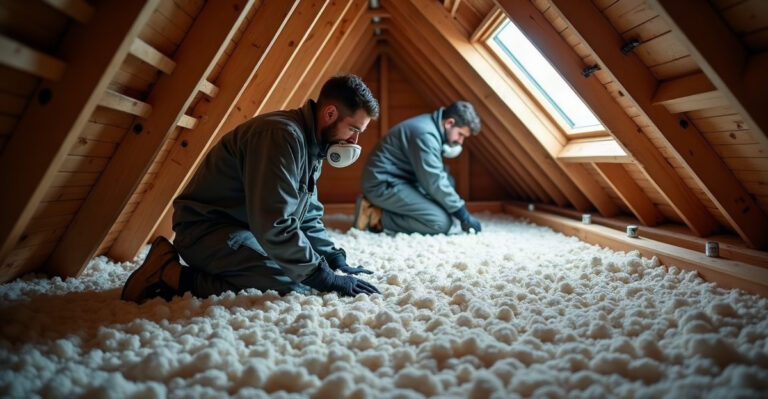
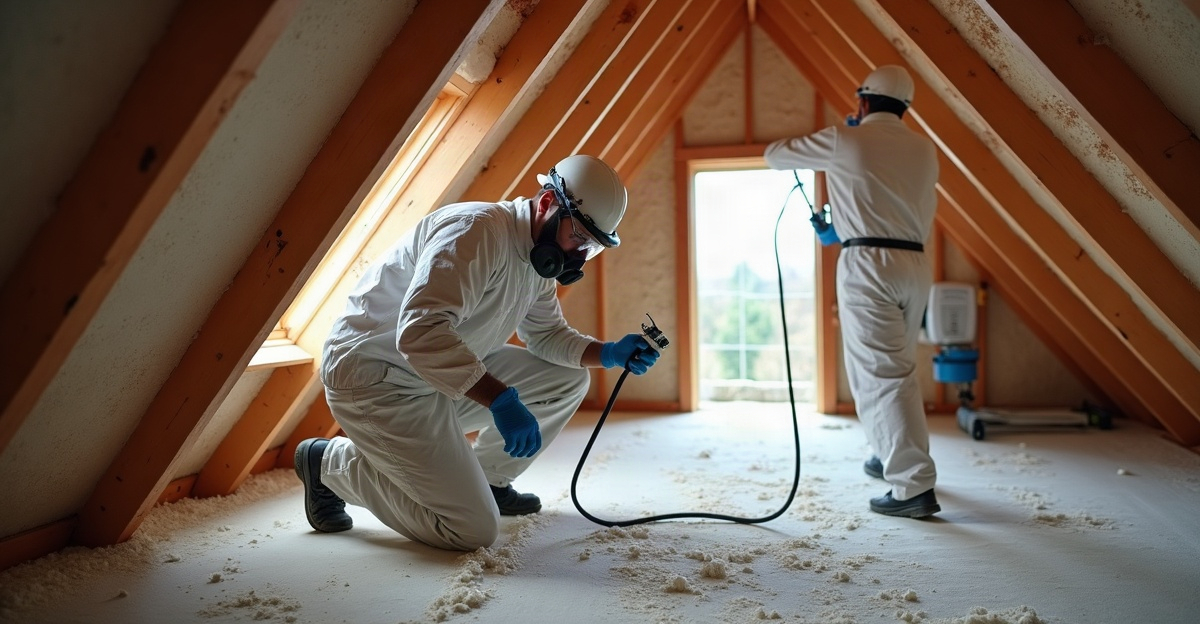
Spray foam commonly uses two components that react on-site during installation. Professional installers need product training, proper application equipment, ventilation procedures, and personal protective equipment.
Homeowners should not remain in an area where installers are applying foam or breathe installation fumes and aerosols unless documented safety procedures specifically authorize it. Occupants, children, pets, and unprotected workers should follow the installer’s and manufacturer’s re-entry instructions.
There is no universal cure time or re-entry timeframe for every project. Recommendations differ based on the product, manufacturer guidance, ventilation, temperature, humidity, application conditions, and scope of work. A small wall repair and a large attic project may require very different planning.
During application and curing, foam chemicals and aerosols may irritate the eyes, skin, or respiratory system. Anyone experiencing breathing difficulty, severe irritation, headaches, or other concerning symptoms should move to fresh air as appropriate and contact a medical professional.
This is why spray foam is not a DIY insulation project. Off-ratio mixing, incorrect temperature or moisture conditions, overly thick application lifts, poor ventilation, inadequate substrate preparation, and failure to follow product instructions can all create performance or odor concerns. For anyone asking, “is spray foam insulation safe to breathe,” the safe answer is that active installation and curing require controlled conditions and documented re-entry guidance.
Is Spray Foam Insulation Safe After It Cures?
Properly mixed, correctly installed, and fully cured spray foam is generally intended to remain in place as a building material. That differs significantly from exposure during installation and the temporary restrictions that apply while the foam cures.
Whether “is spray foam insulation safe after it cures” has a positive answer depends on installation quality and whether the product’s technical requirements, ventilation guidance, and documented re-entry instructions were followed. We recommend requesting written product information before work begins, including the manufacturer’s safety data sheet, technical data sheet, and the installer’s recommended re-entry and ventilation guidance.
Open-cell and closed-cell spray foam have different properties. Neither option is universally safer. The right choice depends on the wall or attic assembly, moisture needs, installation location, code requirements, and professional recommendations.
Persistent chemical odors, visible defects, or ongoing occupant discomfort after the documented cure and ventilation period deserve attention. Is foam spray insulation safe in that situation? It may be, but homeowners should not assume the installation performed as intended without an inspection.
Warning Signs That an Installation May Need Professional Evaluation
The following signs warrant a closer look:
- Persistent or strong chemical odor after the documented cure and ventilation period
- Visible foam that appears crumbly, sticky, darkened, shrunken, or unevenly applied
- Foam pulling away from framing or leaving gaps
- Occupant discomfort that appears connected to the treated space
- Water leaks, condensation, or elevated humidity concerns
- Unexpected energy loss or comfort problems after installation
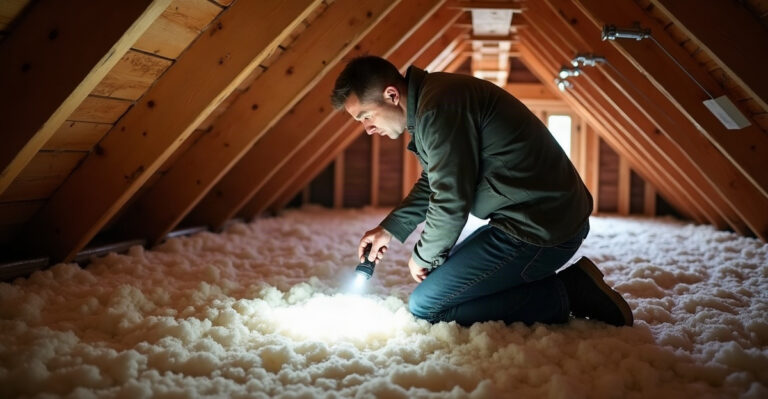
These signs do not automatically prove a spray foam health hazard. They do indicate that a qualified insulation professional may need to inspect the work, assess ventilation and moisture conditions, and recommend appropriate next steps.
Persistent odor or poor performance can relate to installation quality, off-ratio application, inadequate ventilation, incorrect application thickness, or moisture issues. These conditions should be evaluated rather than assumed.
Anyone with concerning symptoms should leave the affected area as appropriate, seek medical guidance, and arrange a qualified inspection. Homeowners should not attempt to remove or alter foam themselves. An experienced professional can assess adhesion, coverage, gaps, moisture conditions, attic ventilation, and whether corrective work is appropriate.
Moisture, Ventilation, and Fire-Safety Planning for Mississippi Homes
Air sealing can improve comfort and energy efficiency, but it can also change how a home exchanges air and manages humidity. A well-planned insulation project considers the full building system rather than treating insulation as a separate upgrade.
Attic insulation decisions should account for roof leaks, bathroom and kitchen exhaust, crawl space conditions, HVAC performance, existing attic ventilation, moisture sources, and whole-home ventilation needs when applicable. Central Mississippi’s high summer humidity and hot attic temperatures make moisture-aware attic design especially important.
Spray foam may help control moisture when professionals design and install it correctly. It does not eliminate every mold risk or fix all moisture problems. Active leaks, wet crawl spaces, condensation, and inadequate exhaust ventilation need direct solutions.
Fire safety also requires planning. Foam insulation may need to meet specific code and protective-barrier requirements depending on its location in an attic, crawl space, wall, or occupied area. An ignition barrier is a protective covering or coating required in some installations to help delay foam exposure to fire.
Requirements vary by project and local code interpretation. Spray foam is not fireproof, and qualified installers should verify applicable requirements before work begins. We recommend confirming product recommendations through manufacturer safety data sheets, technical documents, applicable EPA resources, Occupational Safety and Health Administration guidance for workplace exposure context, building-code resources, and recognized industry organizations.
When Spray Foam May Be a Good Fit—and When to Explore Other Options
Spray foam can be a strong option where air leakage is a major concern, space is limited, and the attic or wall assembly supports foam installation. It works best as part of a complete plan that addresses moisture, ventilation, access, HVAC performance, and code requirements.
Other insulation materials may make more sense when budget is the main concern, access is straightforward, the home needs moisture or ventilation repairs first, or another material better fits the assembly and project goals. Fiberglass batts and blown-in insulation can provide effective results in the right setting. We help homeowners compare options through our attic insulation services based on the home’s actual conditions.
Before approving a spray foam project, homeowners should ask the installer these questions:
- Which spray foam product will be used, and can we review its technical and safety information?
- What re-entry and ventilation guidance applies to this specific project?
- How will occupants, pets, and belongings be protected during installation?
- How will the installer verify correct application and address odor or adhesion concerns?
- Does the attic or wall assembly need additional moisture, ventilation, or ignition-barrier planning?
- Are permits or local code requirements relevant to the installation?
Common Spray Foam Safety Questions
Is spray foam insulation safe after it cures? Properly installed and fully cured foam is generally intended to remain in place as a building material. Safety depends on correct mixing, application, cure conditions, ventilation, and compliance with manufacturer guidance.
Is spray foam insulation safe to breathe? Homeowners should avoid breathing fumes or aerosols during installation and curing. After the documented cure and ventilation period, properly installed foam should not create active installation exposure conditions.
How long should homeowners stay out after spray foam installation? The installer and product manufacturer should provide project-specific re-entry instructions. There is no single timeframe that applies to every foam product or installation.
What should we do if a home still smells like chemicals after foam is installed? Do not ignore persistent odors. Increase fresh-air ventilation where appropriate, limit time in the affected area if symptoms occur, seek medical advice for concerning symptoms, and arrange a qualified inspection.
Can spray foam insulation cause mold? Foam does not cause every mold issue, and it does not eliminate all mold risk. Roof leaks, condensation, wet building materials, high humidity, and poor ventilation can still support mold growth.
Is open-cell or closed-cell spray foam safer? Neither is automatically safer in every application. Material selection should match the location, moisture design, code requirements, and installation plan.
Florence-area and Central Mississippi homeowners considering spray foam, noticing persistent odors, dealing with uneven comfort, or planning an attic insulation upgrade can contact Green Leaf Insulation for a professional attic assessment or free estimate.