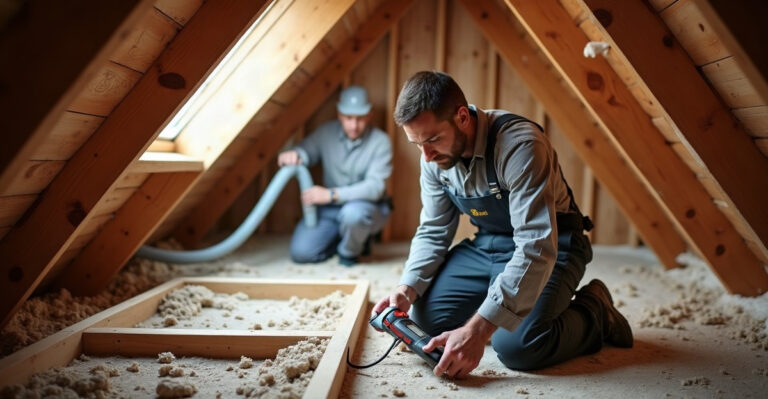
How Does Insulation Work to Keep Your Home Comfortable?
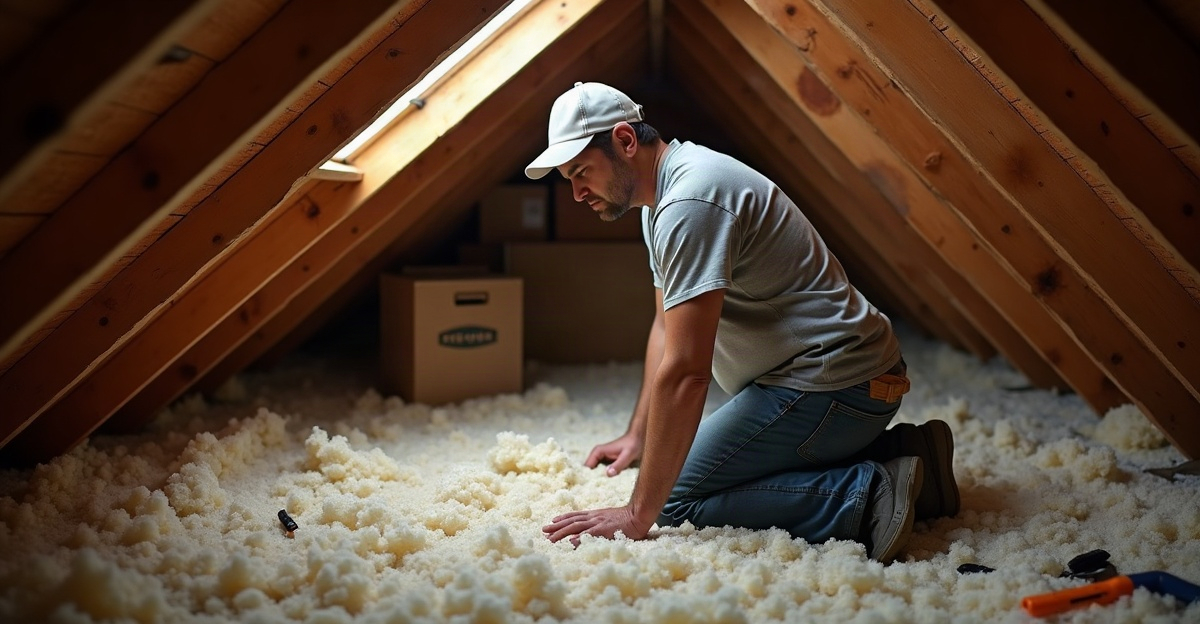
We keep homes comfortable by slowing heat transfer through attics, walls, and floors. Air sealing also limits leaks that pull hot, humid Mississippi air indoors or allow conditioned air to escape.
Key Takeaways
- Insulation resists heat flow instead of producing heat or cooling. It helps rooms maintain steadier temperatures in every season.
- Air sealing and insulation work together. Gaps around attic hatches, wiring, plumbing, and duct chases can weaken overall performance.
- Attics, exterior walls, and floors above garages or crawl spaces often benefit from improved insulation.
- R-value measures thermal resistance. Gaps, compression, moisture, settling, and poor installation can reduce actual performance.
- We should inspect wet, moldy, pest-contaminated, or damaged insulation before adding new material.
The Simple Science Behind a More Comfortable Home
Insulation works by slowing the movement of heat. It does not create heat in winter or cold air in summer; instead, it reduces the speed at which heat travels between living spaces and the outdoors.
For central Mississippi homes, this matters throughout the year. During summer, insulation slows outdoor heat as it moves through the roof, attic, walls, and floors into conditioned rooms. During winter, it helps retain heat produced by the HVAC system, so less warmth escapes through the home’s exterior.
Understanding what insulation means starts with recognizing the three ways heat moves. Conduction occurs when heat travels through solid materials. A sun-heated roof can warm the roof deck and transfer that heat through attic components. Convection occurs when moving air carries heat, such as warm outdoor air entering through attic gaps or cold winter air leaking indoors. Radiant heat travels outward from hot surfaces, including a roof deck that has absorbed direct sunlight.
So, how does house insulation work in real life? It creates resistance to heat transfer across the building materials surrounding the home. That resistance helps reduce hot upstairs rooms, cold winter drafts, uncomfortable rooms over garages, uneven temperatures, and excessive cooling costs. Insulation performs best when it forms a consistent thermal layer with few gaps or thin areas.
Why Insulation Alone Is Not the Whole Solution
Insulation and air sealing handle different parts of the comfort equation. Insulation resists heat flow through ceilings, walls, and floors. Air sealing reduces uncontrolled air movement through cracks, seams, and openings. Most homes need both strategies for meaningful comfort and efficiency improvements.
Common attic air leaks occur around wiring and plumbing penetrations, attic hatches, recessed lights, duct chases, and other small openings. Warm, humid outdoor air can enter through these gaps during Mississippi summers. In cooler weather, conditioned indoor air can escape through the same paths.
R-value measures thermal resistance. In general, a higher R-value means a material provides more resistance to heat flow. Still, R-value alone does not determine how well an insulation system performs. Gaps, compression, moisture, settling, poor installation, thermal bridging through framing, air leaks, and ventilation conditions can all reduce real-world results.
Adding insulation does not automatically solve every comfort or energy issue. Persistent problems can also come from leaky ducts, an improperly sized or poorly maintained HVAC system, roof leaks, weak attic ventilation, window and door leaks, or other building-envelope concerns. Recommended R-values, local code requirements, rebates, pricing, and projected energy savings should always be checked against current authoritative information because each home has different conditions.
Where Insulation Has the Biggest Impact in Your Home
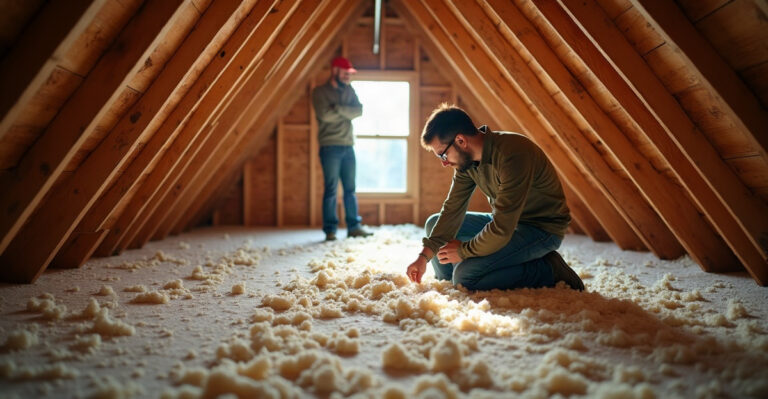
Attics and attic floors often have the greatest effect on comfort because they separate living spaces from intense attic heat. In central Mississippi, roof surfaces can absorb substantial solar heat, making a properly insulated attic floor an important barrier between that heat and the rooms below. Our attic insulation services focus on improving coverage where homes commonly lose comfort.
Exterior walls also slow heat transfer through the home’s outer structure. Wall insulation can help rooms hold a steadier temperature, especially where existing insulation is missing, damaged, or poorly installed.
Floors over crawl spaces, garages, and other unconditioned areas deserve attention as well. A room above a garage may feel unusually hot in summer or cold in winter because the floor assembly separates conditioned space from an area without climate control. Proper insulation can reduce those temperature swings, though air leaks and ductwork should also be checked.
Ductwork in attics and crawl spaces affects how effectively heated or cooled air reaches living areas. Damaged, disconnected, or poorly insulated ducts can waste conditioned air before it reaches a register. Insulation around ducts can help, but duct sealing, layout, and overall condition remain important.
Hot, humid weather makes attic heat gain, air leakage, and moisture management especially important in central Mississippi. Attic ventilation can help manage heat and moisture when the system is properly designed, but ventilation does not replace insulation or air sealing. Insulation should never block soffit vents or ventilation channels. Methods recommended for cold northern climates should not be applied automatically without accounting for local heat, humidity, house design, and moisture conditions.
How Fiberglass, Spray Foam, and Other Insulation Materials Work
No single insulation material is best for every home. The right choice depends on the location, available space, budget, existing insulation condition, moisture exposure, ventilation approach, building design, and applicable local code requirements.
Fiberglass batts are pre-cut panels often installed in walls, ceilings, and attics. How does fiberglass insulation work? Fine glass fibers trap pockets of air, slowing conductive and convective heat movement. Batts must fit snugly around framing and obstructions without being compressed. Gaps, folds, and poor coverage can limit their effectiveness.
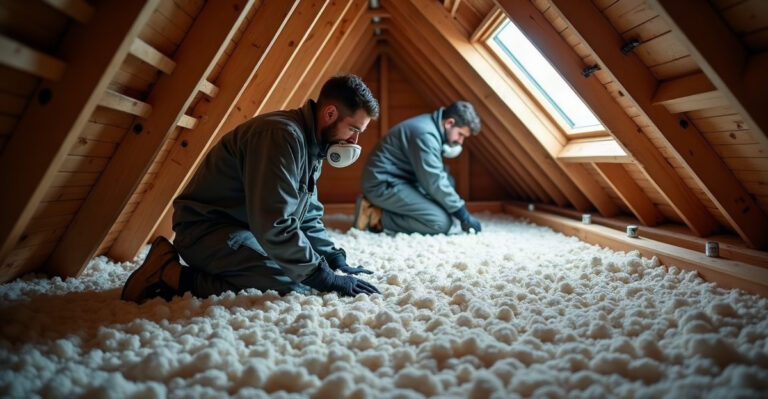
Blown-in fiberglass and cellulose are loose-fill materials commonly used in attics. They can cover irregular areas, fill around framing, and add depth over existing insulation when the existing material is dry, clean, and suitable to remain. Loose-fill insulation needs even coverage and enough depth to deliver its intended thermal resistance.
How does spray foam insulation work? Spray foam expands after application, allowing it to insulate while sealing many small gaps. Open-cell and closed-cell foam differ in density, moisture behavior, and R-value per inch. How does foam insulation work in a specific attic or wall assembly? That depends on the foam type, where it is installed, the roof or wall design, and how moisture will be managed.
Spray foam requires trained installers, appropriate equipment, and careful planning. It should be selected for the specific assembly rather than used as a universal answer. Rigid foam board is another option for certain wall, foundation, and retrofit projects where higher R-value is needed in limited space.
Signs Your Insulation May Need Attention
Comfort changes often provide the first clue that an attic or insulation system needs inspection. A room that stays too hot or too cold, hot upstairs areas in summer, winter drafts, and noticeable temperature differences between rooms can point to insulation gaps, air leakage, duct issues, or several problems occurring at once.
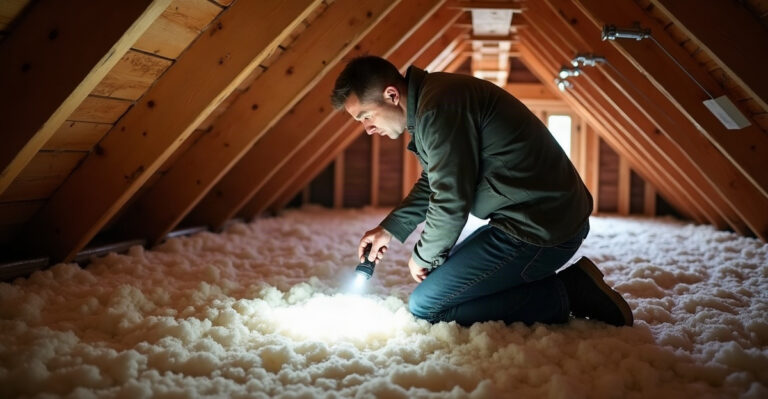
Utility bills that rise unexpectedly may also justify a closer look, particularly if HVAC use and weather patterns do not fully explain the change. In an accessible attic, homeowners may notice insulation that looks thin, uneven, settled, compressed, or displaced around framing and access areas.
Moisture and contamination require special attention. Wet insulation, roof leaks, visible mold, musty odors, pest activity, rodent droppings, nesting material, smoke damage, and heavy soiling can affect insulation performance and indoor conditions. Insulation that blocks attic ventilation paths also needs correction.
Wet, moldy, pest-contaminated, or smoke-damaged insulation may need professional assessment and possible removal before replacement material is installed. Covering damaged insulation with new material can conceal the cause of the problem and leave contamination or moisture in place. Our insulation removal services can address affected materials before a replacement plan is put in place.
When to Inspect, Repair, or Call a Professional
Homeowners can often perform a basic visual check from a safe, accessible location. We recommend looking for obvious thin spots, moisture staining, disturbed insulation, blocked vents, or signs of pests without stepping into unsafe areas.
We should avoid walking on ceiling drywall, entering hazardous attics, disturbing suspected asbestos-containing material or mold, handling rodent waste, working near exposed wiring, or attempting spray foam installation without proper training and equipment. Attics can have unstable footing, extreme heat, exposed nails, and electrical hazards.
An attic or insulation assessment is a smart next step when insulation is visibly damaged or contaminated, comfort concerns persist, roof leaks or moisture are present, pests have affected the attic, or it is unclear whether air sealing, insulation removal, ventilation work, duct repair, or another service is needed.
Common Insulation Questions
Does insulation keep heat out in summer? Yes. It slows heat moving from a hot attic, roof, walls, or outdoor air into cooled living spaces.
Is higher R-value always better? Higher R-value can help, but it must be appropriate for the assembly and properly installed. Air leaks, moisture, compression, and other deficiencies can limit results.
Can new insulation go over old insulation? Sometimes. Existing material should be dry, clean, free of contamination, and suitable to remain. Damaged or wet insulation should be assessed before adding more.
How can we tell if attic insulation needs replacement? Visible moisture, mold, pest contamination, smoke damage, heavy soiling, severe settling, or recurring comfort problems are strong reasons to request an inspection.
Does attic ventilation replace insulation? No. Ventilation can assist with attic heat and moisture management, while insulation slows heat transfer. Both systems have separate jobs.
Should air sealing happen before adding insulation? In many cases, yes. Sealing accessible attic gaps before installing insulation helps prevent uncontrolled air movement from bypassing the thermal barrier.
If a Florence-area home has uncomfortable rooms, high energy bills, damaged insulation, or attic contamination, Green Leaf Insulation can assess the attic, explain the findings clearly, and provide a free estimate. Contact us through our insulation assessment page to discuss the next step.