What Type of Insulation for Attic Spaces Works Best?
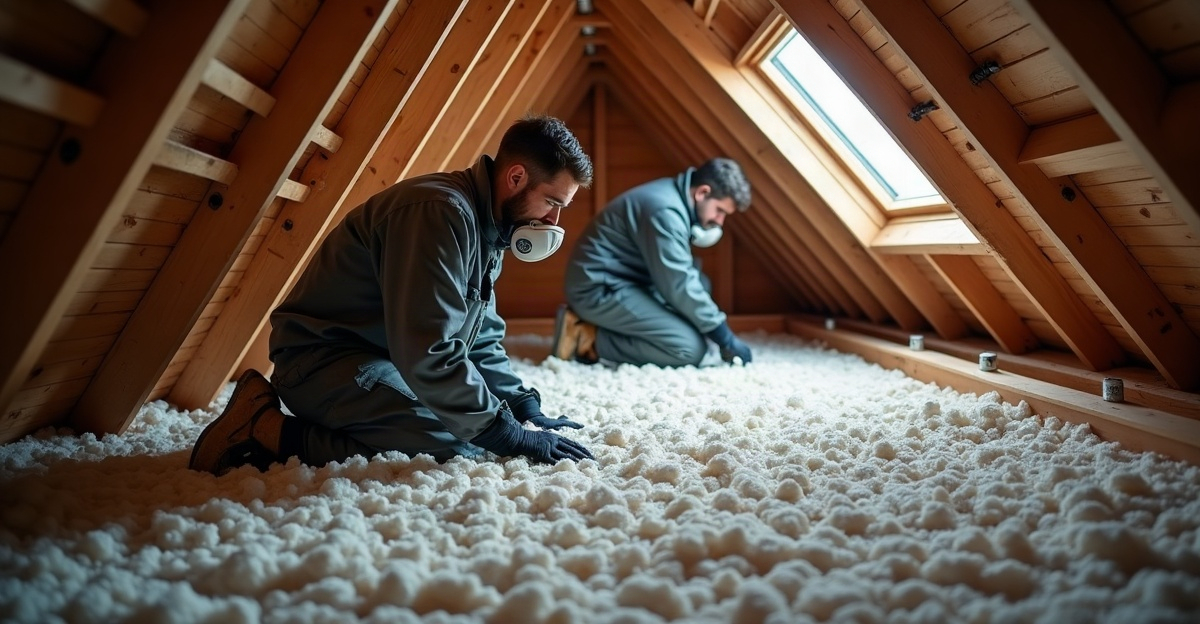
We select the best attic insulation based on the layout, existing material, air leaks, moisture conditions, and comfort goals. Blown-in fiberglass often works well on open attic floors and for insulation upgrades. Cellulose, fiberglass batts, and spray foam each serve specific access, framing, roofline, and air-sealing needs.
Key Takeaways
- Blown-in fiberglass delivers even coverage across open, irregular attic floors. We can install it over dry, clean, undamaged insulation.
- Cellulose provides dense coverage in open attic spaces. We repair moisture issues, roof leaks, and pest damage before installation.
- Fiberglass batts suit accessible areas with regular framing. Careful fitting prevents gaps and compression.
- Spray foam can work well along rooflines and in hard-to-reach areas. A professional should assess humidity, ventilation, moisture control, and roof design first.
- Air sealing, proper R-value, ventilation, and moisture repairs help attic insulation improve comfort and reduce energy loss.
The Best Attic Insulation Depends on Your Home’s Needs
Blown-in fiberglass is often the most practical choice for open attic floors and for adding depth over existing insulation. Cellulose can provide dense, even coverage, fiberglass batts can work in accessible and regularly framed areas, and spray foam may fit specific roofline or air-sealing needs.
There’s no single answer to what type of insulation for attic spaces works best. The right material depends on the insulation already present, attic access, air leakage, moisture conditions, budget, target attic R-value, and local climate demands.
Florence and central Mississippi homes face long cooling seasons, high humidity, intense attic heat, costly cooling demands, hot upstairs rooms, and uneven temperatures. Proper insulation can improve comfort and reduce heating and cooling losses when it is part of a properly planned attic system.
Before choosing a material, we need to understand what insulation means in practical terms. Insulation slows heat movement, but it works best when air leaks, moisture concerns, and attic conditions are also addressed.
Compare Blown-In Fiberglass, Cellulose, Batts, and Spray Foam
| Insulation type | Common attic use | Advantages | Limitations | Installation considerations | When professional evaluation is especially important |
|---|---|---|---|---|---|
| Blown-in fiberglass | Open attic floors, irregular areas, and topping off existing insulation | Provides broad coverage, fits around obstructions, and can add insulation depth efficiently | Needs even depth and proper preparation to perform well | Air leaks should be addressed first; access, wind washing, and attic layout can affect the approach | Uneven existing insulation, air leaks, ductwork, electrical obstructions, or moisture concerns |
| Blown-in cellulose | Open attic floors and irregular spaces | Offers good coverage and density across an attic floor | Material condition and attic moisture must be checked before installation | Roof leaks, pest contamination, and damp areas need correction first | Moisture damage, odors, pests, mold, or damaged existing insulation |
| Fiberglass batts | Accessible, regularly framed attic areas | Can work well when fitted carefully between framing members | Gaps, compression, and poor fitting reduce performance | Requires careful work around wiring, framing changes, and other obstructions | Irregular framing, recessed lights, wiring, ducts, or difficult-to-reach areas |
| Spray foam | Rooflines, hard-to-reach spaces, and assemblies where air sealing is part of the plan | Can combine insulation and air sealing in the right application | Requires careful design and isn’t automatically the best choice for every attic | Foam type, roof assembly, moisture conditions, ventilation, and building details all matter | Any spray foam project, especially in hot and humid Mississippi conditions |
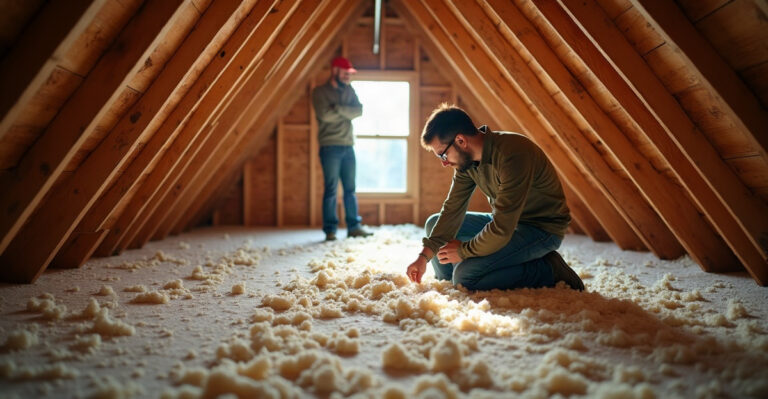
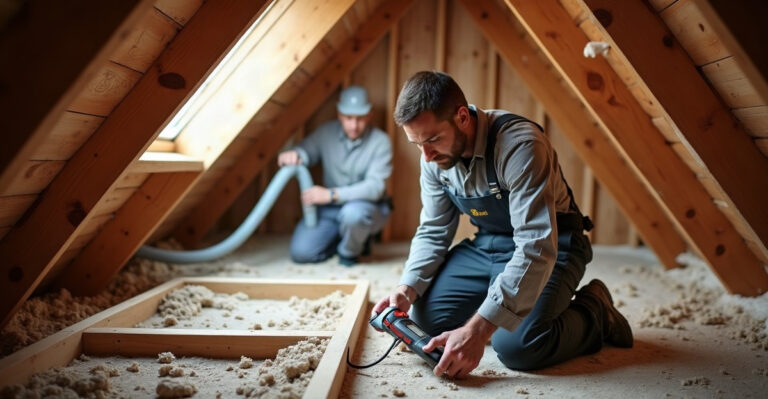
Blown-in insulation is loose material installed with specialized equipment to create an even blanket across an attic floor. Blown-in attic insulation is often a strong option for broad coverage, uneven attic floors, and areas around pipes, wiring, and framing.
Cellulose is another loose-fill insulation material. It can provide good coverage and density across irregular attic spaces. Dense-pack cellulose refers to a denser installation method used inside enclosed wall or floor cavities. It is different from a typical open-attic-floor application.
Fiberglass batt insulation consists of pre-cut, blanket-like pieces installed between framing members. Batts can perform well in accessible areas with consistent framing, but they need careful fitting. Compressed batts, open gaps, and material stuffed around obstructions can leave weak points in the insulation layer.
Spray foam is typically installed at the roofline or in difficult-access areas where insulation and air sealing are both part of the assembly design. Open-cell spray foam is lighter and more flexible, and it expands substantially during installation. Closed-cell spray foam is denser and more rigid, with different moisture and structural characteristics.
Open-cell versus closed-cell spray foam requires professional design and installation. Central Mississippi heat, humidity, roof conditions, ventilation details, and moisture control all affect whether foam is appropriate. Spray foam can be useful for certain attic conditions, but it is not automatically the best choice for every attic.
Insulation removal, mold, pest activity, electrical hazards, recessed-light clearances, combustion appliances, and major air-sealing needs should receive professional assessment before work begins.
Air Sealing, R-Value, Ventilation, and Moisture Matter as Much as the Material
Insulation slows heat transfer through ceilings, walls, and other building materials. Attic air sealing limits conditioned-air loss and helps keep unconditioned attic air from entering living areas.
Many attic projects need both improvements. Adding insulation without sealing major air leaks can leave comfort problems in place, especially around ceiling penetrations, attic hatches, duct openings, and wiring pathways.
R-value measures resistance to heat flow. A higher attic R-value generally means greater resistance, but the proper insulation level depends on applicable climate-zone guidance, local building requirements, attic assembly details, existing conditions, and manufacturer instructions.
Attic ventilation and attic moisture deserve equal attention. Roof leaks, condensation, blocked soffit vents, disconnected bathroom exhaust fans, and other moisture sources should be identified and corrected before or alongside insulation work. Insulation alone will not fix a ventilation or moisture problem.
Local requirements and manufacturer guidance may also affect wiring clearances, recessed lights, vapor control, ventilation, and combustion appliances. We review these items based on the home rather than treating one installation method as right for every attic.
Can You Add New Insulation Over Existing Insulation?
Dry, clean, undamaged insulation can often remain in place and receive a new layer of insulation above it. This approach can be practical when the existing material still has value but lacks enough depth for the home’s comfort goals.
Wet, moldy, pest-contaminated, compressed, fire-damaged, or heavily soiled insulation may need removal before new material is installed. Covering damaged insulation can hide unresolved issues and make later repairs harder.
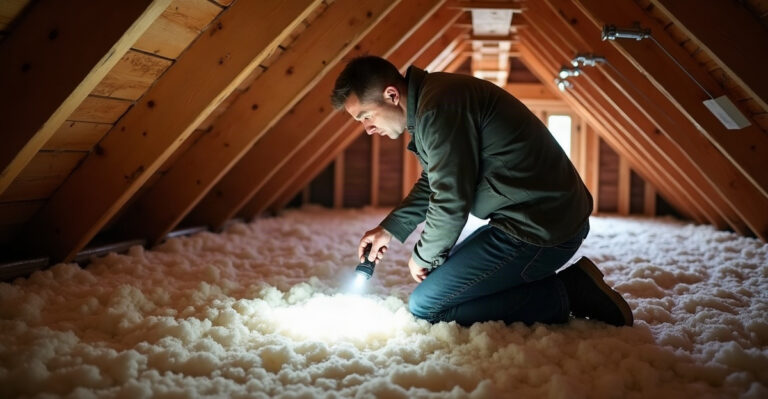
An on-site attic evaluation should check insulation depth and condition, air leaks, attic ventilation, moisture, pests, accessibility, electrical obstructions, and household comfort concerns. That information helps us recommend whether an upgrade or full replacement makes sense.
Rodent activity, contamination, odors, and damaged insulation may also call for attic sanitization and cleanup. In these cases, insulation removal and replacement can provide a cleaner starting point for air sealing and new insulation.
Project pricing varies with attic size, insulation type, target depth, access, removal needs, air sealing, repairs, pest cleanup, ventilation work, and the condition of the existing attic.
When to Call an Attic Insulation Professional
A professional attic evaluation is worthwhile when comfort, moisture, or safety concerns are present. Common warning signs include unusually high cooling bills, hot second-floor rooms, uneven temperatures, drafty rooms, insulation sitting below joist level, visible gaps, water staining, musty odors, mold, pest activity, damaged ductwork, blocked vents, or bathroom exhaust fans that vent into the attic.
Old, compressed, wet, or heavily soiled insulation also deserves attention. These conditions can reduce insulation performance and may point to a larger moisture, pest, or air-leak issue.
Experienced homeowners may handle small, straightforward tasks in safe and accessible attic areas. Still, we don’t recommend treating attic insulation as a broad DIY project. Insulation removal, contaminated attics, mold, pests, major air sealing, electrical obstructions, spray foam, recessed-light clearances, combustion appliances, and moisture problems need professional assessment.
Not sure which attic insulation type fits a home? Green Leaf Insulation can inspect the attic, identify insulation and air-leak concerns, and provide a straightforward recommendation and free estimate for Florence and central Mississippi homeowners.
Common Attic Insulation Questions Homeowners Ask
Practical Answers for Attic Upgrades
What type of insulation is best for an attic? Blown-in fiberglass is often practical for open attic floors and topping off existing insulation. Cellulose, fiberglass batts, and spray foam may be better choices for specific attic conditions, access limitations, and performance goals.
Is blown-in insulation better than fiberglass batts for an attic? Blown-in insulation often covers open and irregular attic floors more evenly. Fiberglass batts can work well in accessible, regularly framed areas when they are carefully cut, fitted, and kept free from compression.
Can we put new attic insulation over old insulation? Dry, clean, undamaged insulation can often remain. Wet, moldy, pest-contaminated, compressed, fire-damaged, or heavily soiled material may need removal first.
How do we know if attic insulation needs replacement? Low insulation depth, water damage, musty odors, mold, pest activity, visible deterioration, compression, and unusually high cooling bills can all point to a need for evaluation.
Should we air seal an attic before adding insulation? Many attic projects benefit from attic air sealing first. Insulation slows heat transfer, while air sealing reduces conditioned-air loss through openings and gaps.
Does spray foam insulation work well in Mississippi attics? Spray foam may work well for specific roofline, air-sealing, or difficult-access needs. Professional design is important because central Mississippi heat, humidity, attic ventilation, moisture conditions, and roof assembly details all affect the installation.
How much attic insulation do we need? Required insulation depth and R-value should be based on applicable climate-zone guidance, local building requirements, attic design, existing insulation, and manufacturer instructions.