How Long Does Insulation Last? Signs It’s Time for Replacement
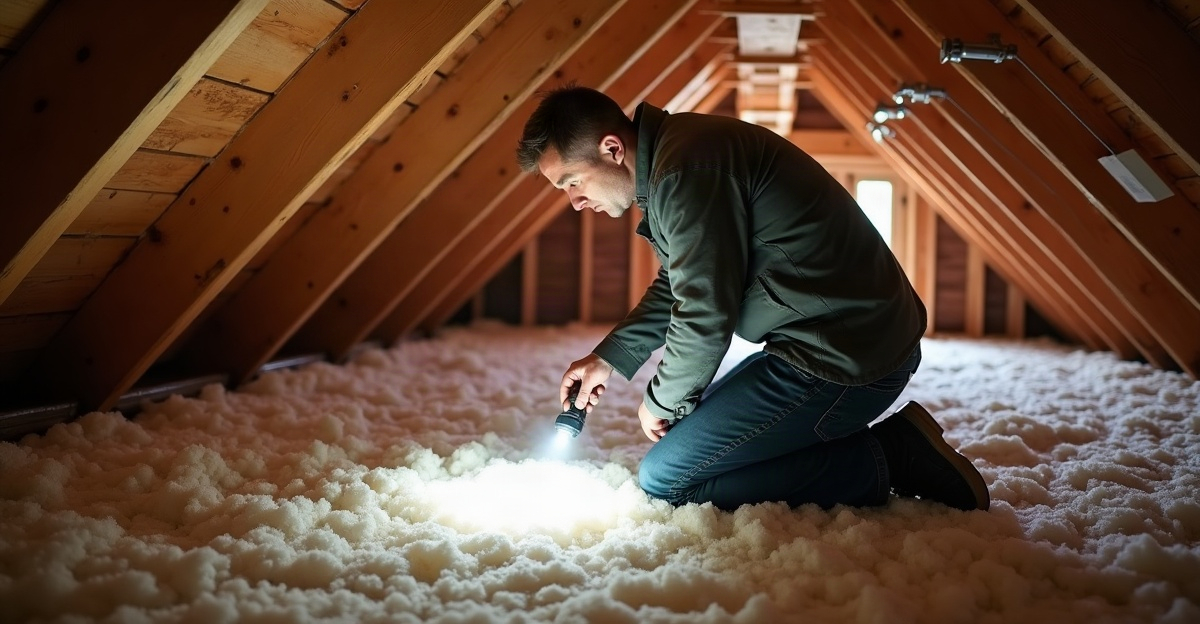
Insulation can perform for decades if it stays dry, clean, properly installed, and undisturbed. Moisture, settling, pests, compression, and gaps can reduce its effectiveness much sooner.
We shouldn’t replace insulation based on age alone. Instead, we should check its condition, coverage depth, and attic concerns, including air leaks, roof leaks, and ventilation issues.
Key Takeaways
- Fiberglass, cellulose, spray foam, and rigid foam can last for decades. Their performance depends on the material’s condition and the attic environment.
- Wet, moldy, pest-contaminated, compacted, or heavily damaged insulation may need professional removal and replacement.
- Clean, dry insulation with shallow or uneven coverage can often stay in place with a blown-in insulation top-off.
- Rising energy bills, uneven room temperatures, drafts, hot upper floors, and musty attic odors can point to insulation or attic performance issues.
- We should repair roof leaks, moisture sources, pest activity, duct problems, and air leaks before adding new insulation.
The Short Answer: Insulation Can Last for Decades, but Condition Matters Most
How long does insulation last? Most insulation can last for decades, provided it stays dry, clean, properly installed, and undisturbed. Its useful life depends far more on its condition than its age.
For homeowners wondering how long insulation lasts in a house, the key point is simple: insulation can remain in an attic for many years while no longer providing the comfort and energy performance it should. Settling, compression, moisture, pests, contamination, and thin coverage can all reduce its effectiveness.
R-value measures how well insulation resists heat flow. Higher R-values slow heat movement more effectively. Our guide to the meaning of insulation explains this role in more detail.
Insulation Lifespan Comparison
- Fiberglass batts: How long does fiberglass insulation last? Fiberglass batts often last several decades or longer when they remain dry, properly installed, and undisturbed. Compression, gaps, and pest damage can reduce performance.
- Blown-in fiberglass: How long does blown-in insulation last? Blown-in fiberglass can last for decades, though it may shift, compress, or lose effectiveness after moisture exposure, attic work, or inadequate original installation depth.
- Cellulose: How long does cellulose insulation last? Cellulose often lasts for decades when dry and properly installed. It can settle over time and may sustain greater damage after water exposure.
- Spray foam: How long does spray foam insulation last? Spray foam can last for decades and generally does not settle. Roof leaks, moisture conditions, structural changes, and installation errors can still affect its performance.
- Rigid foam: How long does foam insulation last? Rigid foam can remain effective for decades when protected from water, physical damage, and UV exposure where applicable.
How long does attic insulation last, or how long does insulation last in attic spaces? The answer depends on the material and attic conditions. Fiberglass and spray foam can often perform well for decades if they are dry, intact, and correctly installed. We recommend replacement based on damage, contamination, insufficient R-value, or lost performance rather than an arbitrary expiration date.
Signs Your Insulation May Need Repair, Removal, or Replacement
An uncomfortable home or high utility bill does not automatically mean insulation has failed. Air leaks, duct leakage, ventilation issues, roof problems, and HVAC concerns can create similar symptoms. Still, these warning signs deserve an attic evaluation:
- Wet, stained, moldy, or compacted insulation
- Matted, compressed, shifted, or noticeably settled material
- Uneven temperatures between rooms or floors
- Rising heating and cooling costs without another clear explanation
- Drafts or excessively hot second-floor rooms
- Rodent nests, droppings, insect activity, or torn insulation
- Animal-waste contamination or significant water damage
- Visible gaps, thin coverage, or inadequate attic insulation depth
- Recurring attic condensation, moisture, or musty odors
- Recent roof leaks, storm damage, plumbing leaks, or HVAC duct problems
Dry, clean insulation that has simply settled or lacks depth may not need removal. In many cases, we can improve coverage with a blown-in insulation top-off after checking for air leaks and moisture concerns.
When Old Insulation Can Stay, Be Topped Off, or Should Be Removed
Old insulation can often stay in place if it is dry, clean, intact, and free from pest contamination. If the main issue is shallow or uneven coverage, adding material may restore the needed depth and improve comfort.
Before adding insulation, we need to address conditions that can damage new material. Roof leaks, bathroom fans venting into the attic, duct leakage, ventilation problems, active pest issues, and major air leaks require correction first. Adding insulation alone will not repair any of these issues.
Professional removal and replacement may be the right choice if insulation has widespread rodent contamination, active mold growth, severe water damage, strong odors, or major loss of integrity. For those conditions, our insulation removal and replacement service can help restore a cleaner, usable attic.
We should never disturb insulation contaminated by rodent waste, active mold, or extensive water damage. If an attic may contain asbestos-containing insulation or vermiculite, leave it undisturbed and consult a qualified professional for evaluation and proper handling. For pest-related conditions, professional attic sanitization services can address contamination before replacement insulation is installed.
What Causes Insulation to Wear Out or Lose Performance?
Insulation problems often point to larger attic conditions rather than age alone. A roof leak, plumbing leak, storm damage, excessive humidity, or pest infestation can quickly shorten the effective lifespan of otherwise sound material.
Compression is another common issue. Storage items, foot traffic, and work around ductwork can flatten insulation and reduce its ability to resist heat flow. Cellulose and some blown-in products can also settle gradually, leaving thin areas near attic edges or across larger sections.
Attic performance relies on three separate systems working together:
- Air sealing limits uncontrolled air movement through gaps around plumbing penetrations, top plates, recessed fixtures, wiring openings, and other attic bypasses.
- Insulation slows heat transfer between conditioned living areas and the unconditioned attic.
- Ventilation helps manage attic heat and moisture when the system is correctly planned and installed.
Each system has a distinct purpose. More insulation will not stop warm, moist indoor air from leaking into an attic, and ventilation will not correct a roof leak or rodent infestation. We assess the full attic condition before recommending attic insulation services.
What Central Mississippi Homeowners Should Watch for in Their Attics
Florence and nearby central Mississippi communities experience long cooling seasons, high summer heat, and humid conditions. Those factors make attic moisture management especially important.
A hot attic does not automatically prove insulation has failed. However, attic heat, humidity, air leaks, and insufficient insulation can affect indoor comfort and increase HVAC workload. We commonly look for condensation, roof leaks after storms, bath fans or ducts releasing moist air into the attic, and rodent-related damage.
Insulation improvements can improve comfort and reduce unnecessary heating and cooling losses, but each home needs an on-site assessment. Replacement costs vary based on attic square footage, access, insulation type and depth, removal needs, contamination, air sealing work, moisture repairs, ventilation needs, and local labor conditions.
Homeowners in Florence and nearby central Mississippi communities who notice moisture damage, pest contamination, inconsistent comfort, settling insulation, or uncertain attic conditions can contact Green Leaf Insulation for a professional attic assessment or free estimate.
Common Questions About Insulation Lifespan and Replacement
How long does attic insulation last in a house?
Attic insulation can last for decades, but material type and condition matter more than installation date. Dry, properly installed insulation can remain effective for a long time. Moisture, contamination, settling, and damage can shorten its useful life.
Can insulation go bad if it is not wet?
Yes. Dry insulation can still lose performance from settling, compression, gaps, thin coverage, pests, disturbance, or poor original installation.
Do we need to remove old insulation before adding new insulation?
Clean, dry, intact insulation can often remain in place while we add more material. Moldy, contaminated, severely wet, or badly damaged insulation may require professional removal first.
How do we know if blown-in insulation has settled too much?
Visible thin spots, uneven coverage, and insulation depth below current needs can indicate settling. An attic assessment can confirm whether a top-off is appropriate.
Does spray foam insulation need replacement?
Spray foam generally does not settle and can last for decades. Still, roof leaks, moisture problems, installation errors, and structural changes can affect its condition and performance.
Can wet insulation dry out and still work properly?
That depends on the insulation type, how long it remained wet, whether mold or contamination developed, and whether the material lost its shape or coverage. Significant water damage calls for a professional assessment.
What should we do if rodents have been in attic insulation?
Avoid disturbing nests, droppings, or contaminated insulation. A professional can evaluate sanitization, removal, and replacement needs safely.
Is moldy insulation safe to leave in an attic?
Active mold or moisture-damaged insulation should receive professional evaluation along with the moisture source. Correcting the cause is essential before installing replacement material.
Should we air seal or add insulation first?
We often address air sealing before adding insulation because it limits uncontrolled air movement through gaps and penetrations. This helps new insulation perform as intended.